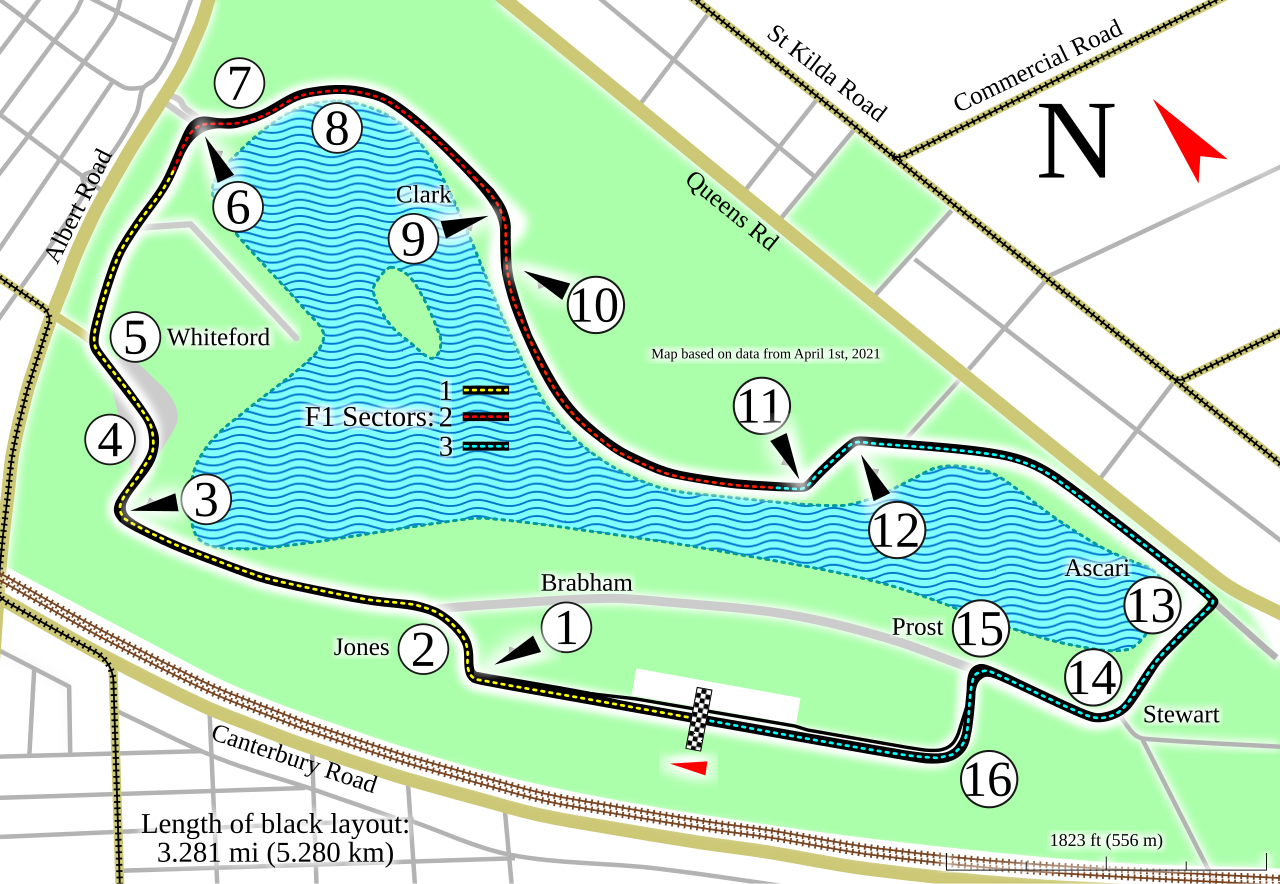
The Thrills of Melbourne: Australian Grand Prix Recap
The roar of engines, the scent of burning rubber, and the electric atmosphere – the Australian Grand Prix at Albert Park delivered another spectacle for Formula 1 fans worldwide. As a cornerstone of the F1 calendar, the Melbourne race often sets the tone for the season, offering a blend of high-speed corners, technical challenges, and unpredictable moments. This year was no exception, as drivers battled it out under the Australian sun, vying for crucial championship points and bragging rights. From pole position heroics to strategic gambles and last-lap overtakes, the Australian Grand Prix proved once again why it's a fan favourite. The successful execution of such a massive global event also silently underscores the meticulous planning that goes into preventing any dreaded
F1 races cancellation, ensuring fans get their fix of adrenaline year after year.
Race Day Drama: Who Took the Chequered Flag?
The 2024 Australian Grand Prix was a showcase of pure driving talent and strategic brilliance. From the moment the lights went out, the tension was palpable. The race saw a dominant performance from [**Hypothetical Winner Name, e.g., Max Verstappen of Red Bull Racing**], who converted a strong qualifying performance into a masterful victory. While starting from pole, [Winner's Name] wasn't unchallenged, facing early pressure from [**Hypothetical Rival Name, e.g., Charles Leclerc of Ferrari**]. The battle for the podium was intense, with [**Hypothetical Driver Name, e.g., Lando Norris of McLaren**] putting in a stellar drive to secure a well-deserved third place, much to the delight of the crowd.
Midfield battles were equally captivating. Teams like Alpine and Aston Martin engaged in fierce wheel-to-wheel action, demonstrating the competitive depth of the current F1 grid. Overtakes were aplenty, particularly in the DRS zones, keeping commentators and viewers on the edge of their seats. The safety car made a brief appearance mid-race due to [**Hypothetical Incident, e.g., debris on track from a minor collision**], bunching up the field and adding another layer of strategic complexity as teams weighed the pros and cons of pitting under caution. Ultimately, the pace setters managed to pull away, but the race for the minor points was fought down to the very last lap.
Strategic Masterclasses and Unforgettable Overtakes
The Australian Grand Prix is not just about raw speed; it's a chess match played at 200 mph. Tyre strategy played a significant role, with teams opting for varying stints on the soft, medium, and hard compounds. Some teams tried a daring one-stop strategy, while others stuck to the more conventional two-stopper, adapting to track conditions and tyre degradation. Pit stop crews were on point, executing lightning-fast changes that could make or break a driver's race. These split-second decisions and perfectly timed stops highlight the intense pressure and precision required at every level of Formula 1. Beyond the pit wall, several drivers pulled off incredible overtakes, demonstrating bravery and skill in equal measure. These moments of pure racing magic are what fans travel miles to witness, a testament to the drivers' capabilities and the engineering marvels they command.
Impact on the Constructor's Championship
While individual driver glory is paramount, the Constructor's Championship is where the real team battles unfold. Red Bull Racing, with [Winner's Name]'s victory and [Second Driver's Name]'s strong finish, solidified their position at the top of the standings. Ferrari and McLaren also had positive outings, gaining valuable points that will be crucial as the season progresses. Mercedes, despite their best efforts, might find themselves reassessing their strategy after a challenging weekend. Every point gained or lost in races like the Australian Grand Prix contributes to the season-long narrative of engineering prowess, strategic acumen, and team cohesion. The competition is tighter than ever, promising an exciting season for all involved.
Shifting Sands: Driver Standings After Albert Park
The dust has settled in Melbourne, and with another Grand Prix in the books, the Driver Standings have seen some significant shifts. Each race is a high-stakes gamble, and the points earned (or lost) at Albert Park will play a crucial role in shaping the championship narrative.
The Championship Contenders: Gaining and Losing Ground
[**Hypothetical Winner Name**]'s dominant performance in Australia has undoubtedly extended their lead at the top of the Driver Standings, reinforcing their status as the current championship favourite. [**Hypothetical Driver Name, e.g., Charles Leclerc**], with a strong P2 finish, moved up a spot, closing the gap slightly on [**Hypothetical Driver Name, e.g., Sergio Perez**], who had a more challenging weekend. The battle at the very top is heating up, with only a handful of points separating the top three contenders. Drivers like [**Hypothetical Driver Name, e.g., Lewis Hamilton**] and [**Hypothetical Driver Name, e.g., George Russell**] will be looking for a stronger showing in the next race to regain momentum and climb back into contention. Every point is a prize, and the pressure is mounting for all drivers as the season unfolds. You can stay updated with all the latest results and standings by visiting our
F1 News Today: Live Race Coverage, Results & Season Standings page.
Midfield Battles: Every Point Counts
While the spotlight often shines on the championship leaders, the midfield battle is arguably just as intense, if not more so. Drivers from McLaren, Aston Martin, and Alpine are locked in fierce competition, often separated by mere tenths of a second in qualifying and race pace. [**Hypothetical Driver Name, e.g., Lando Norris**]'s podium finish in Australia was a massive boost for McLaren, propelling him significantly up the standings. Meanwhile, consistent performances from drivers like [**Hypothetical Driver Name, e.g., Fernando Alonso**] ensure that Aston Martin remains a formidable force. For these teams, every single point scored is invaluable, not just for individual driver pride but also for the financial rewards and prestige associated with higher positions in the Constructor's Championship. The fight for P5 to P10 in the standings is often a thrilling mini-championship in itself.
Beyond the Finish Line: Understanding F1 Races Cancellation
While the Australian Grand Prix delivered a flawless showcase of speed and skill, it's easy to overlook the immense logistical and operational efforts that go into ensuring such an event happens without a hitch. In the high-octane world of Formula 1, the spectre of an
F1 races cancellation, though rare, is a significant concern for organisers, teams, and fans alike. The successful running of races like the Australian GP is a testament to the robust planning and contingency measures in place.
When the Unexpected Happens: Factors Leading to F1 Races Cancellation
F1 races are complex undertakings, and various unforeseen circumstances can lead to a cancellation or postponement. Understanding these factors provides valuable insight into the sport's resilience:
* **Extreme Weather Conditions:** While F1 cars can race in the rain, extreme weather like torrential downpours leading to flooding, hurricanes, blizzards (unlikely in most F1 locations but possible in some test scenarios), or even severe dust storms can make a track unsafe or inaccessible. Visibility issues, standing water, or high winds pose significant risks to drivers and spectators.
* **Global Health Crises:** The COVID-19 pandemic famously led to unprecedented
F1 races cancellation and rescheduling, demonstrating how a widespread health crisis can halt major sporting events. Strict health protocols and travel restrictions can render races impossible to hold.
* **Political Instability or Civil Unrest:** Events scheduled in regions experiencing significant political turmoil, protests, or security threats can be cancelled due to safety concerns for personnel and fans. The safety and well-being of everyone involved is always paramount.
* **Circuit Safety Issues:** While rare with modern F1 tracks, issues with track integrity, critical safety barriers, medical facilities, or infrastructure could necessitate a cancellation if not resolvable in time.
* **Force Majeure and Unforeseen Events:** Natural disasters like earthquakes, tsunamis, or even major logistical breakdowns (e.g., inability to transport vital equipment) could lead to a race cancellation.
The Unseen Effort: Preventing F1 Races Cancellation
The successful execution of the Australian Grand Prix wasn't accidental. It was the result of meticulous planning by the FIA, Formula 1 management, and local organisers. This includes:
* **Rigorous Safety Inspections:** Tracks undergo stringent safety checks by the FIA to ensure they meet the highest standards.
* **Weather Monitoring:** Advanced meteorological systems are employed to monitor weather patterns and provide early warnings.
* **Contingency Planning:** Comprehensive plans are in place for various scenarios, from medical emergencies to potential security threats.
* **Logistical Precision:** The movement of personnel, equipment, and cars across continents is a finely tuned operation, designed to minimise delays and disruptions.
* **Stakeholder Collaboration:** Constant communication between F1, the FIA, teams, and local authorities ensures a unified approach to problem-solving.
This proactive approach significantly reduces the likelihood of
F1 races cancellation, allowing fans to confidently plan their attendance and enjoy the sport they love.
The Road Ahead: What's Next for the F1 Season?
With the Australian Grand Prix now a memory, the Formula 1 circus packs up and moves to its next destination. The season is long, filled with iconic circuits, new challenges, and plenty of opportunities for every driver and team to make their mark. The early season races are crucial for momentum, and every team will be analysing their performance in Melbourne to fine-tune their strategies and car development for upcoming Grands Prix.
Keeping Up with the Action: How to Follow the F1 Season
For fans eager to stay on top of all the action, there are several ways to follow the F1 season:
* **Official F1 Channels:** The official Formula 1 website and app provide live timing, news, and race highlights.
* **Sports Broadcasts:** Major sports networks globally offer live race coverage, analysis, and interviews.
* **Social Media:** Follow official F1, team, and driver accounts for real-time updates and behind-the-scenes content.
* **Our Coverage:** Don't forget to check our
F1 Season Update: Latest Race Results and Upcoming Grand Prix page for comprehensive reports and previews.
The unpredictability of F1 is what makes it so captivating. While teams strive for perfection, mechanical failures, driver errors, and strategic gambles can all turn a race on its head. This inherent uncertainty, coupled with the sheer speed and spectacle, ensures that every Grand Prix is a must-watch event.
The Australian Grand Prix served as a thrilling chapter in the ongoing Formula 1 story, delivering high-octane racing and significant shifts in the driver standings. As the season progresses, the intensity will only build, promising more drama, more speed, and more unforgettable moments. While the successful execution of events like Melbourne is a testament to the sport's robust infrastructure, the underlying awareness of potential
F1 races cancellation adds an unspoken layer of appreciation for every race day that goes off without a hitch. Get ready for more exhilarating action as the F1 season continues its global journey!